 gr8dne.com – Top News Features & Global Headlines
 gr8dne.com – Top News Features & Global Headlines
Forget expensive dentist appointments! New research suggests a simple, affordable nutrient could significantly reduce your risk of tooth decay. A recent analysis of past clinical trials reveals a compelling link between vitamin D and improved dental health, potentially slashing the incidence of cavities by as much as 50%.
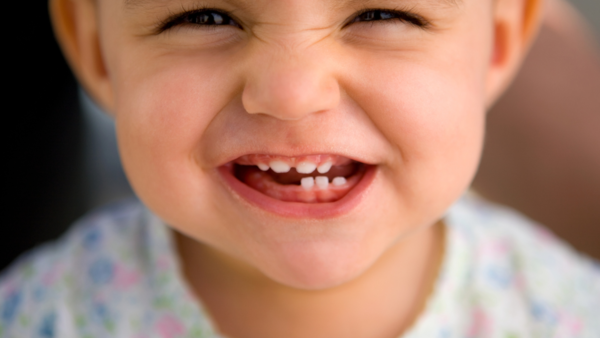
The Link Between Vitamin D and Dental Health
The study, published in Nutrition Reviews, examined 24 controlled clinical trials conducted between the 1920s and 1980s, involving approximately 3,000 children across various countries. The findings consistently demonstrated that vitamin D was associated with a substantial reduction in dental caries.
"My main goal was to summarize the clinical trial database so that we could take a fresh look at this vitamin D question," explained Dr. Philippe Hujoel of the University of Washington, the researcher behind the review.
What is Vitamin D?

Vitamin D, often called the "sunshine vitamin," is an essential nutrient crucial for numerous bodily functions. This fat-soluble vitamin plays a vital role in maintaining bone health, supporting immune function, and regulating mood.
Our bodies can naturally produce vitamin D when exposed to sunlight. When sunlight interacts with cholesterol in skin cells, it triggers vitamin D synthesis. You can also obtain vitamin D through dietary sources, including fatty fish like salmon and mackerel, egg yolks, and fortified foods such as milk and orange juice.
Vitamin D's Role in Preventing Caries
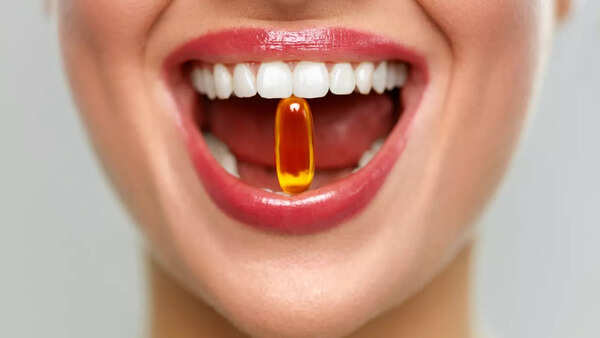
While the role of vitamin D in promoting bone health is well-established, its impact on preventing caries has been a subject of debate. Dr. Hujoel noted the inconsistent conclusions drawn by different organizations over the years.
The trials reviewed by the research team involved increasing vitamin D levels in children through exposure to UV radiation or dietary supplementation, such as cod liver oil. These trials were conducted in various countries, including the United States, Great Britain, Canada, and Sweden, within institutional settings, schools, medical and dental practices, or hospitals. The participants were children and young adults aged 2 to 16 years.
Dr. Michael Hollick, professor of medicine at the Boston University Medical Center, emphasized the significance of vitamin D for dental health, stating that vitamin D deficiency can lead to poor teeth eruption and increased susceptibility to dental caries.
Studies have indicated a correlation between vitamin D deficiency and dental caries in young children. Dr. Hujoel suggests that pregnant women and young mothers should recognize the importance of vitamin D for their offspring's health, as it contributes to better mineralized teeth and bones.
However, Hujoel also cautioned against over interpreting the systematic review: "One has to be careful with the interpretation of this systematic review. The trials had weaknesses which could have biased the result, and most of the trial participants lived in an era that differs profoundly from today's environment.”
Newer articles
Older articles

 Samsung Galaxy A35 5G and A55 5G: Full Pricing and Specs Revealed
 Expert Tips to Help Kids Sharpen Focus and Combat Distractions
 Warning Signs: 5 Clues Your Body May Be Signaling Prediabetes
 Infrequent Bowel Movements: When Is It Time to Worry? A Guide to Healthy Digestion
 Oral Cancer: Spotting the Signs, Understanding the Risks, and Why Early Detection is Critical
 Shimron Hetmyer's Last-Gasp Six Stuns MI New York, Orcas Complete Record MLC Chase
 SA20 Teams Allowed Up to Six Player Retentions, Enhanced by New RTM Card and Increased Salary Cap for Upcoming Auction
 Science-Backed: 5 Simple Daily Habits for a Healthier Heart
 Cervical Cancer: Don't Ignore These 5 Subtle Warning Signs
 Brain's Eye View: Study Shows We See the World 15 Seconds in the Past
OR
The 15-Second Delay: How Your Brain Creates a Seamless, But Delayed, Reality
Brain's Eye View: Study Shows We See the World 15 Seconds in the Past
OR
The 15-Second Delay: How Your Brain Creates a Seamless, But Delayed, Reality