 gr8dne.com – Top News Features & Global Headlines
 gr8dne.com – Top News Features & Global Headlines
Oral cancer, also known as mouth cancer, is a serious condition that develops in the tissues of the oral cavity. This includes the lips, tongue, gums, inner cheeks, and the roof or floor of the mouth. In some instances, the cancer can extend to the oropharynx, the area at the back of the throat. Often beginning as a painless sore or patch, it may go unnoticed in its early stages. Regular dental checkups and self-examinations are crucial for early diagnosis. While anyone can be affected, certain lifestyle factors, such as tobacco and alcohol use, significantly increase the risk.
Early detection and prompt treatment are essential for improving outcomes and survival rates. Below, we delve into the signs, symptoms, and prevention strategies for oral cancer.
Oral cancer is a type of head and neck cancer that originates in the tissues of the oral cavity, encompassing areas such as the lips, tongue, cheeks, gums, the floor and roof of the mouth, and sometimes the oropharynx. It often manifests as a persistent sore, patch, or lump that doesn't heal, potentially mistaken for a less serious issue initially.
Untreated oral cancer can spread to nearby structures, including lymph nodes and other parts of the head and neck, and in advanced cases, to distant organs. Despite its potential severity, oral cancer is highly treatable when diagnosed early.
Oral cancer most commonly affects individuals aged 60 and older, although it can also occur in younger people. Men are statistically twice as likely to develop it compared to women. Among racial groups, white men have a higher incidence rate than Black men. Approximately 11 out of 100,000 individuals are diagnosed with oral cancer during their lifetime.
This type of cancer is particularly concerning because many early symptoms are painless and subtle, leading to delays in diagnosis and treatment.
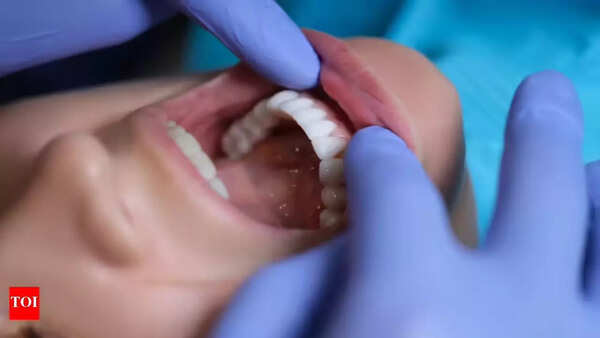
Oral cancer often presents as persistent changes in the mouth that do not resolve. These changes can include:
Visible Signs:
Sensory and Functional Symptoms:
These symptoms can resemble other conditions like infections or ulcers, but their persistence should warrant concern.
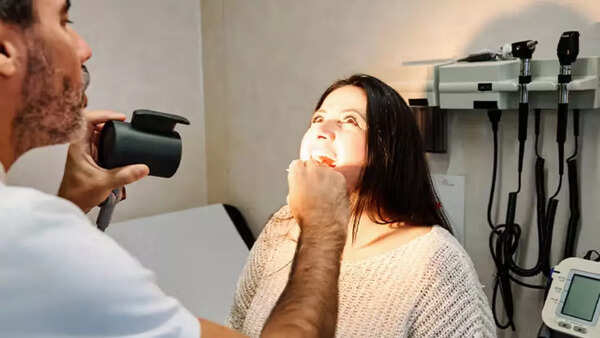
Performing a monthly self-exam can help identify unusual changes early:
If you find anything unusual, consult a healthcare professional immediately.

Oral cancer can significantly impair a person’s ability to speak, chew, swallow, and even breathe, depending on the tumor’s location and extent. When it affects the oropharynx, it can lead to oropharyngeal cancer, impacting the base of the tongue, soft palate, tonsils, and the back of the throat.
The oral cavity, where oral cancer typically starts, includes:
Oral cancer begins in squamous cells, which are thin, flat cells that line the inside of the mouth. When these cells undergo mutations, often due to prolonged exposure to carcinogens, they begin to multiply uncontrollably and form tumors.
Major Risk Factors:
According to Healthline reports, approximately 25% of oral cancer cases occur in individuals without any of the above risk factors, underscoring the importance of regular oral screenings.
Diagnosis typically begins during routine dental or medical exams. Dentists often play a key role in early detection.
Diagnostic methods include visual and physical exams, brush biopsies, incisional biopsies, laryngoscopies, and pharyngoscopies. Once a lesion is confirmed as cancerous, additional tests are performed to determine staging, which influences treatment options.
Oral cancer is staged using the TNM system:
Staging helps doctors determine the most effective treatment and estimate the patient’s prognosis.
While not all cases can be prevented, the risk can be significantly reduced through:
Life after oral cancer treatment varies. Some patients experience minor changes, while others face long-term impacts on speaking, chewing, and appearance. Support from reconstructive surgery, physical therapy, speech therapy, and mental health counseling may be needed. Ongoing check-ups are essential, as recurrence or secondary cancers are possible.
Newer articles
Older articles

 Samsung Galaxy A35 5G and A55 5G: Full Pricing and Specs Revealed
 Expert Tips to Help Kids Sharpen Focus and Combat Distractions
 Warning Signs: 5 Clues Your Body May Be Signaling Prediabetes
 Infrequent Bowel Movements: When Is It Time to Worry? A Guide to Healthy Digestion
 Oral Cancer: Spotting the Signs, Understanding the Risks, and Why Early Detection is Critical
 Shimron Hetmyer's Last-Gasp Six Stuns MI New York, Orcas Complete Record MLC Chase
 SA20 Teams Allowed Up to Six Player Retentions, Enhanced by New RTM Card and Increased Salary Cap for Upcoming Auction
 Science-Backed: 5 Simple Daily Habits for a Healthier Heart
 Cervical Cancer: Don't Ignore These 5 Subtle Warning Signs
 Brain's Eye View: Study Shows We See the World 15 Seconds in the Past
OR
The 15-Second Delay: How Your Brain Creates a Seamless, But Delayed, Reality
Brain's Eye View: Study Shows We See the World 15 Seconds in the Past
OR
The 15-Second Delay: How Your Brain Creates a Seamless, But Delayed, Reality